Pour-over kettle · Product Demo
Pour-over kettle · Product Demo. Critical check: spout attachment. Includes a customizable prompt, production steps and a downloadable brief.
Make it your product.
Replace the example details. Your prompt updates as you type.
Describe the actual product, not a marketing claim.
List visible materials and finishes.
Include the shape, color, and details to preserve.
Describe the surface, background, and lighting context.
Choose a composition for your project.
Your product details stay in this tab. No upload or AI generation takes place here.
Your product prompt
Editable details · EnglishProduct name: Pour-over kettle Materials: brushed stainless steel and dark molded fittings Color & details: rounded body, narrow curved spout and fixed side handle Background & scene: an uncluttered pale oak table beside a softly lit window Aspect ratio: 9:16 Plan a 15-second observable product demonstration in four shots: 0–3 seconds, the complete product at rest; 3–7 seconds, one actual handling action supported by a real reference; 7–12 seconds, the resulting state and the relevant construction detail; 12–15 seconds, a still complete-product closing frame. Keep the same object and viewpoint. If there is no moving mechanism, demonstrate placement or handling rather than inventing one. Use real footage for interactions that cannot be reproduced faithfully. Critical check: spout attachment.
The 15-second storyboard
Produce each shot separately, then edit.- Shot 100:00–00:03
Pour-over kettle · rounded body, narrow curved spout and fixed side handle. Critical check: spout attachment.
CameraLocked camera; steady framing.
Voiceover“A closer look.”
What you needPrepare a clear reference of Pour-over kettle, showing rounded body, narrow curved spout and fixed side handle. Use it in your chosen external tool.
- Shot 200:03–00:07
Show one real handling action, keeping all parts and fingers consistent. Pour-over kettle · rounded body, narrow curved spout and fixed side handle.
CameraLocked camera; steady framing.
Voiceover“See the whole design.”
What you needChoose one real handling action and rehearse it with the actual product. Prepare the before and after states and keep all parts accounted for.
- Shot 300:07–00:12
brushed stainless steel and dark molded fittings · rounded body, narrow curved spout and fixed side handle. Critical check: spout attachment.
CameraLocked camera; steady framing.
Voiceover“Notice this detail.”
What you needVerify the mechanism against the real product. Check hands, part count and continuity; do not imply measured results without evidence.
- Shot 400:12–00:15
Pour-over kettle · an uncluttered pale oak table beside a softly lit window · 9:16.
CameraLocked camera; steady framing.
Voiceover“Explore the product.”
What you needKeep the original product reference and add approved branding only after the visual structure is correct.
Make the shot
- 1
Before you start
Choose one real handling action and rehearse it with the actual product. Prepare the before and after states and keep all parts accounted for.
- 2
Make the shot
Use a fixed camera and one action per shot. Keep fingers clear of the feature; replace unreliable generated interaction with filmed footage.
- 3
Critical check
Preserve the reference construction: rounded body, narrow curved spout and fixed side handle. Critical check: spout attachment.
- 4
Check before using
Verify the mechanism against the real product. Check hands, part count and continuity; do not imply measured results without evidence.
Check before using
- Preserve the reference construction: rounded body, narrow curved spout and fixed side handle.
- Keep the visible material plausible: brushed stainless steel and dark molded fittings.
- Critical check: spout attachment.
- No invented specifications, labels, measured results or additional components.
Template updated
Common adjustments
The construction differs from the reference
Simplify the angle, keep the reference visible and repeat these constraints near the start: rounded body, narrow curved spout and fixed side handle. Recheck spout attachment.
The material looks artificial
Return to the actual material reference: brushed stainless steel and dark molded fittings. Reduce exaggerated shine, blur and decorative effects before adding detail.
The framing or identity drifts
Reuse the same reference, remove competing movements and produce one simpler image or shot at a time. Compare each result before assembling the final work.
Planning another product video?
Choose a format and use the separate script generator to draft a 15-second plan.
More product stories to explore

Desk Lamp Lifestyle Photo
Place a desk lamp in a useful everyday setting, with coherent lighting and realistic furniture proportions.
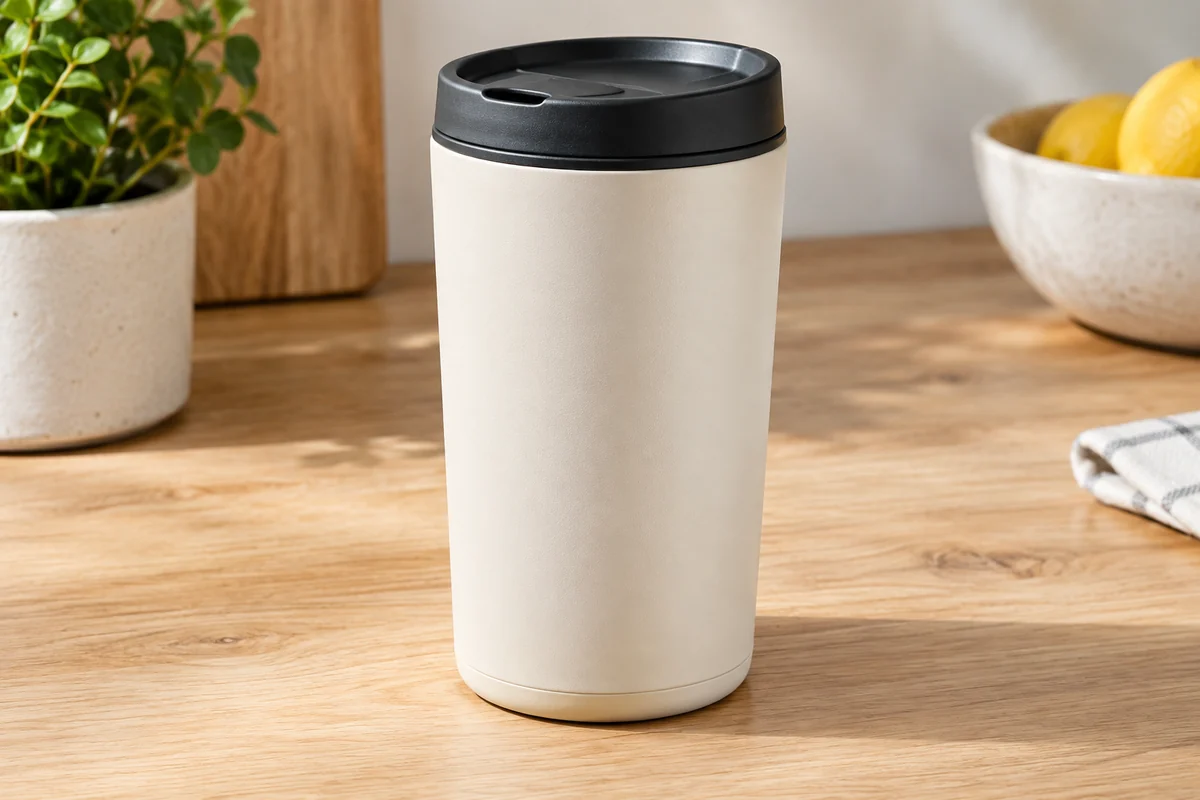
Travel Mug Product Demo
Show the lid, opening action, and everyday use of a travel mug in a clear 15-second sequence.
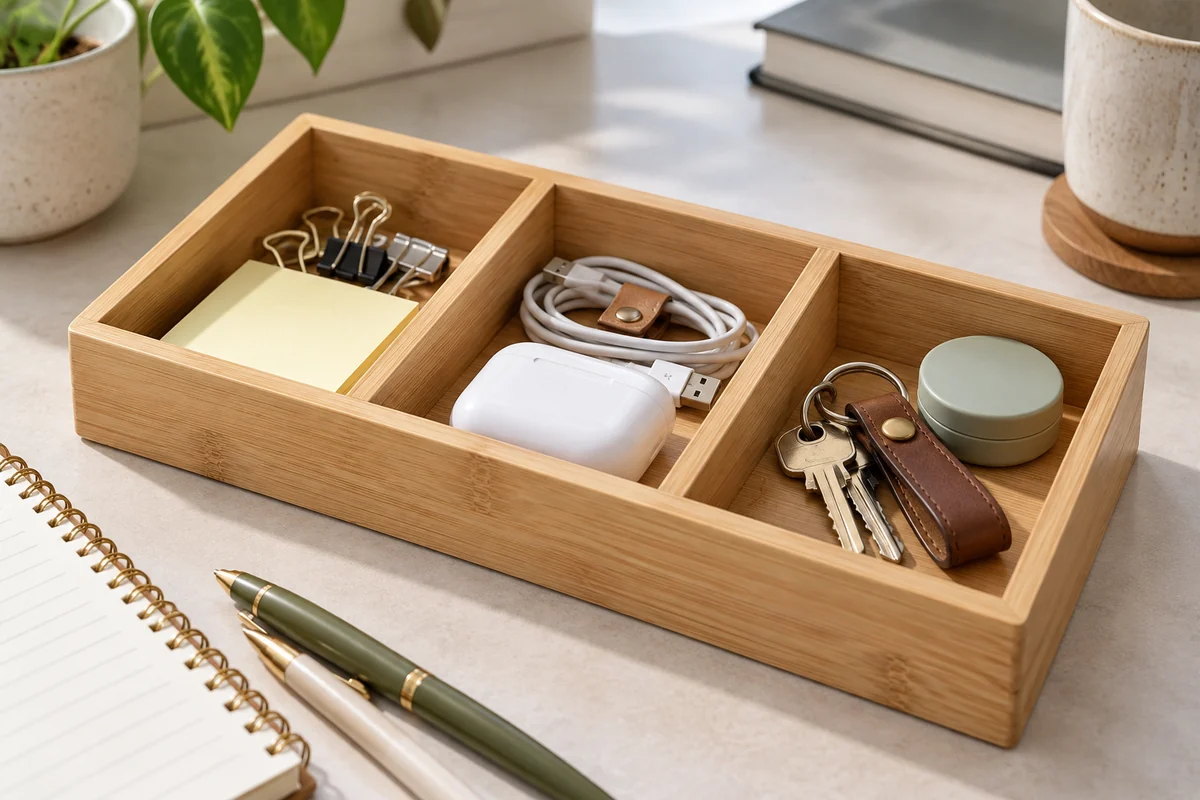
Storage Organizer Before-and-After
Plan a 15-second storage demonstration with a matched viewpoint, the same objects, and a readable before-and-after.